In the rapidly evolving world of digital finance, cryptocurrency exchanges serve as the vital platforms that facilitate the buying, selling, and trading of various cryptocurrencies. These exchanges function similarly to traditional stock exchanges, allowing users to exchange their fiat currency, such as U. S. dollars, for digital assets like Bitcoin, Ethereum, and many others.
Understanding how these exchanges operate is crucial for anyone looking to navigate the cryptocurrency landscape safely and effectively. There are primarily two types of cryptocurrency exchanges: centralized exchanges (CEX) and decentralized exchanges (DEX). Centralized exchanges are managed by companies that act as intermediaries between buyers and sellers. They provide a user-friendly interface and often offer additional features such as customer support and advanced trading tools. However, they also require users to undergo identity verification processes known as Know Your Customer (KYC) protocols, which can deter some privacy-conscious individuals. On the other hand, decentralized exchanges operate without a central authority, allowing users to trade directly with one another through smart contracts on the blockchain.
While DEXs offer greater privacy and control over funds, they can be less intuitive for beginners and may lack the liquidity found on centralized platforms. Regardless of the type of exchange chosen, understanding their operational mechanics is essential for making informed decisions. When you engage with a cryptocurrency exchange, you typically create an account where you can deposit funds, place orders, and manage your portfolio. The exchange matches buy and sell orders from its users, facilitating transactions in real-time. This process involves various order types—such as market orders and limit orders—that cater to different trading strategies.
As you delve deeper into the world of cryptocurrencies, recognizing the nuances of these exchanges will empower you to make safer choices in your trading endeavors.
Key Security Features to Look For
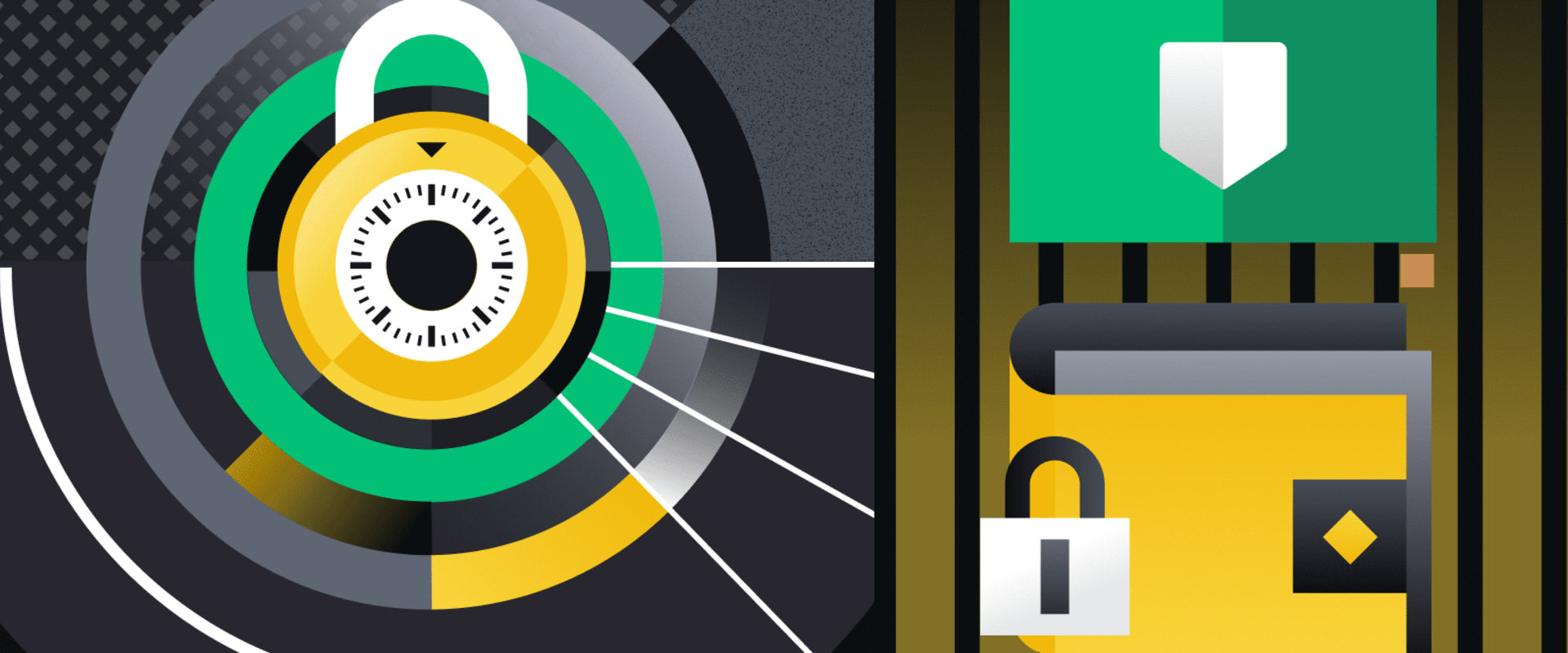
When evaluating the security of a cryptocurrency exchange, it is crucial to consider several key features that can significantly enhance the safety of your assets. Here are some essential security features to look for:- Two-Factor Authentication (2FA): This is a vital security measure that requires users to provide two forms of identification before accessing their accounts. Typically, this involves something you know (like your password) and something you have (like a mobile device). Enabling 2FA can greatly reduce the risk of unauthorized access.
- Cold Storage: A reputable exchange should store the majority of its assets in cold storage, which means that they are kept offline and away from potential online threats.
This practice minimizes the risk of hacks and theft, as hackers cannot access funds that are not connected to the internet.
- Insurance Policies: Some exchanges offer insurance coverage for digital assets held on their platform. This means that in the event of a security breach or hack, users may be compensated for their losses. Always check if the exchange has such policies in place and understand the terms.
- Regulatory Compliance: A secure cryptocurrency exchange should comply with local regulations and laws. This includes adhering to Know Your Customer (KYC) and Anti-Money Laundering (AML) policies.
Compliance not only enhances security but also builds trust with users.
- Regular Security Audits: Look for exchanges that undergo regular security audits by third-party firms. These audits help identify vulnerabilities and ensure that the exchange maintains high-security standards.
- Withdrawal Whitelists: Some exchanges allow users to set up withdrawal whitelists, which restrict withdrawals to specific wallet addresses. This feature adds an extra layer of protection, as even if an account is compromised, funds can only be withdrawn to pre-approved addresses.
Top Cryptocurrency Exchanges Ranked by Safety
When it comes to choosing a cryptocurrency exchange, safety is paramount.In 2023, several exchanges have distinguished themselves through robust security measures, regulatory compliance, and positive user feedback. Below is a ranked list of the safest cryptocurrency exchanges, highlighting their strengths and unique features.
- Coinbase
As the largest cryptocurrency exchange in the U. S., Coinbase has set a high standard for security. It employs advanced security protocols, including two-factor authentication (2FA), biometric logins, and insurance coverage for digital assets stored online.Additionally, Coinbase is compliant with U. regulations, making it a trustworthy choice for both beginners and experienced traders.
- Kraken
Known for its strong security features, Kraken offers a wide range of cryptocurrencies and advanced trading options. The exchange utilizes cold storage for the majority of its assets and has a comprehensive security framework that includes 2FA and PGP/GPG encryption for email communications. Kraken's commitment to regulatory compliance further enhances its reputation as a secure platform. - Gemini
Founded by the Winklevoss twins, Gemini is a regulated cryptocurrency exchange that prioritizes security.It employs state-of-the-art security measures such as cold storage, 2FA, and regular security audits. Gemini also offers insurance coverage for digital assets held in its custody, providing an extra layer of protection for users.
- Binance US
While Binance is known globally, its U. counterpart adheres to strict regulatory standards. Binance US offers a variety of cryptocurrencies and trading options while implementing strong security measures like 2FA and withdrawal whitelist features.The platform's commitment to user safety makes it a solid choice for American traders.
- Bitstamp
As one of the oldest cryptocurrency exchanges, Bitstamp has built a reputation for reliability and security. It employs rigorous security protocols including cold storage and 2FA. Bitstamp is also regulated in multiple jurisdictions, ensuring compliance with financial laws that protect users.
User Experiences and Reviews
When it comes to choosing a cryptocurrency exchange, user experiences and reviews play a crucial role in understanding the platform's reliability and security.Real-life testimonials can provide insights into how well these exchanges perform in terms of security measures, customer support, and overall user satisfaction. Many users have shared their experiences on various platforms, highlighting both positive and negative aspects of their chosen exchanges. For instance, a user on Reddit shared their experience with Coinbase , stating, "I felt secure knowing that Coinbase stores 98% of its assets offline. I had a seamless experience when I bought Bitcoin for the first time, and their customer support was responsive when I had questions about my account." This sentiment is echoed by numerous users who appreciate Coinbase's robust security features and user-friendly interface. On the other hand, some users have reported challenges with exchanges like Binance. One user noted, "While Binance offers a wide range of cryptocurrencies and low fees, I faced issues with account verification that took longer than expected.
However, once I was verified, trading was smooth." This highlights the importance of understanding the verification process when selecting a cryptocurrency exchange. Another popular platform, Kraken , has garnered praise for its security protocols. A user remarked, "I appreciate Kraken's two-factor authentication and the fact that they have never been hacked. It gives me peace of mind when trading larger amounts of crypto." Such testimonials emphasize how security measures directly impact user satisfaction and trust in an exchange. Moreover, reviews on platforms like Gemini often mention its regulatory compliance as a significant advantage. A user stated, "Gemini's adherence to regulations made me feel safer investing my money there compared to other exchanges that seem less transparent." This reflects a growing trend among users who prioritize security and regulatory compliance when choosing where to trade. In summary, real user experiences reveal that while many exchanges offer competitive features and low fees, the level of security and customer support can significantly influence overall satisfaction.
Prospective users should consider these reviews carefully to make informed decisions about which cryptocurrency exchange best meets their needs.
Common Risks Associated with Cryptocurrency Exchanges
When engaging with a cryptocurrency exchange, it is essential to be aware of the various risks that can jeopardize your investments. Understanding these risks not only helps in safeguarding your assets but also empowers you to make informed decisions when choosing an exchange.1.Security Vulnerabilities
One of the most significant risks associated with cryptocurrency exchanges is their vulnerability to hacks. Over the years, numerous exchanges have fallen victim to cyberattacks, resulting in substantial losses for users. Hackers often exploit weaknesses in an exchange's security protocols, gaining unauthorized access to user accounts and wallets.
For instance, the infamous Mt. Gox hack in 2014 led to the loss of approximately 850,000 Bitcoins, highlighting the potential dangers.
2.Phishing Scams
Phishing scams are another prevalent risk in the cryptocurrency space. Scammers often create fake websites or send fraudulent emails that mimic legitimate exchanges to trick users into providing their login credentials or private keys. Once they obtain this sensitive information, they can drain users' accounts within minutes.
To mitigate this risk, always verify the URL of the exchange and enable two-factor authentication (2FA) whenever possible.
3.Regulatory Risks
The regulatory landscape for cryptocurrencies is continually evolving, and exchanges may face sudden changes in legal requirements. This can lead to unexpected shutdowns or restrictions on trading activities, leaving users unable to access their funds. It is crucial to stay informed about the regulatory environment in your jurisdiction and choose exchanges that comply with local laws.
4.Lack of Insurance
Unlike traditional banks, most cryptocurrency exchanges do not offer insurance for user deposits. In the event of a hack or operational failure, users may find themselves without recourse to recover lost funds.
Some exchanges have begun implementing insurance policies, but these are not universally available. Always check if an exchange has any form of insurance before depositing significant amounts.
5.Market Manipulation
Market manipulation is a risk that can affect trading on cryptocurrency exchanges. Due to the relatively low liquidity compared to traditional markets, prices can be easily influenced by large trades or coordinated efforts by groups of traders (often referred to as "whales"). This can lead to sudden price swings that may catch unsuspecting investors off guard.
In conclusion, while cryptocurrency exchanges provide a gateway to digital asset trading, they come with inherent risks that users must navigate carefully.
By understanding these vulnerabilities and taking proactive measures, you can better protect your investments and enjoy a safer trading experience.
Best Practices for Safe Trading on Exchanges
Trading cryptocurrencies can be an exciting venture, but it also comes with its own set of risks. To ensure a safe trading experience on cryptocurrency exchanges, it’s essential to adopt best practices that protect your assets and personal information. Here are some practical tips to help you trade securely:- Utilize Secure Wallets: Always store your cryptocurrencies in secure wallets. While exchanges provide wallets for trading, they are vulnerable to hacks.
Consider using a hardware wallet for long-term storage, as it keeps your private keys offline and away from potential threats.
- Enable Two-Factor Authentication (2FA): Activate 2FA on your exchange account. This adds an extra layer of security by requiring a second form of verification, such as a code sent to your mobile device, whenever you log in or make transactions.
- Regularly Update Passwords: Use strong, unique passwords for your exchange accounts and change them regularly. Avoid using easily guessable information and consider using a password manager to keep track of your credentials.
- Stay Informed About Market Trends: Keep yourself updated on the latest news and trends in the cryptocurrency market. Understanding market movements can help you make informed decisions and avoid panic selling during downturns.
- Be Cautious with Public Wi-Fi: Avoid accessing your exchange accounts over public Wi-Fi networks.
If necessary, use a Virtual Private Network (VPN) to encrypt your internet connection and protect your data from potential snoopers.
- Verify URLs: Always double-check the URL of the exchange you are using. Phishing attacks often involve fake websites that mimic legitimate exchanges. Ensure you are on the correct site before entering any personal information.
- Limit Your Exposure: Only keep the amount of cryptocurrency you plan to trade on the exchange. Transfer any excess funds to a secure wallet to minimize potential losses in case of an exchange hack.
Remember that while no system is entirely foolproof, taking proactive steps can help safeguard your investments and enhance your overall trading experience.
The Future of Cryptocurrency Exchange Security
As the cryptocurrency market continues to grow, so does the need for enhanced security measures within cryptocurrency exchanges. The future of crypto exchange security is poised to evolve significantly, driven by technological advancements and an increasing awareness of the importance of safeguarding digital assets. One of the most promising trends in exchange safety is the integration of artificial intelligence (AI) and machine learning. These technologies can analyze vast amounts of data in real-time, identifying suspicious activities and potential threats before they escalate. By employing AI algorithms, exchanges can enhance their fraud detection capabilities, ensuring that any unusual trading patterns or unauthorized access attempts are swiftly addressed. Another innovation on the horizon is the use of blockchain technology itself to improve security protocols.Decentralized exchanges (DEXs) are gaining traction as they eliminate the need for a central authority, thereby reducing the risk of hacks that target centralized platforms. By allowing users to trade directly from their wallets, DEXs minimize the amount of cryptocurrency held in vulnerable hot wallets. Moreover, multi-signature wallets are becoming increasingly popular among exchanges. This security feature requires multiple private keys to authorize a transaction, making it significantly harder for hackers to gain access to funds. As more exchanges adopt this technology, users can expect a higher level of protection for their assets. The implementation of biometric authentication is another trend that is likely to shape the future of cryptocurrency exchange security.
By utilizing fingerprint scanning or facial recognition, exchanges can provide an additional layer of security that is difficult for unauthorized users to bypass. This shift towards biometric solutions reflects a broader movement towards enhancing user experience while maintaining robust security measures. Furthermore, regulatory compliance will play a crucial role in shaping the future landscape of crypto exchange security. As governments around the world implement stricter regulations regarding anti-money laundering (AML) and know your customer (KYC) policies, exchanges will need to adapt their security frameworks accordingly. This will not only help protect users but also foster greater trust in the cryptocurrency ecosystem. In conclusion, the future of cryptocurrency exchange security is bright, with numerous innovations on the horizon aimed at enhancing safety measures.
As technology continues to advance and regulatory frameworks evolve, users can expect a more secure trading environment that prioritizes their protection while navigating the exciting world of digital currencies.
Conclusion: Choosing the Right Exchange for Your Needs
In conclusion, selecting the right cryptocurrency exchange is a critical step in your trading journey. As we have explored throughout this article, the safety and security of your investments should be your top priority. With numerous exchanges available, each offering different features, fees, and security measures, it is essential to conduct thorough research before making a decision. When evaluating potential exchanges, consider the following key factors:- Security Features: Look for exchanges that implement robust security protocols, such as two-factor authentication (2FA), cold storage for assets, and insurance policies against hacks.
- User Experience: A user-friendly interface can significantly enhance your trading experience. Choose an exchange that offers intuitive navigation and educational resources to help you understand the platform better.
- Fees and Costs: Different exchanges have varying fee structures.
Be sure to compare trading fees, withdrawal fees, and any hidden costs that may affect your overall profitability.
- Available Cryptocurrencies: Depending on your investment strategy, ensure that the exchange supports a wide range of cryptocurrencies. This flexibility allows you to diversify your portfolio effectively.
- Regulatory Compliance: Opt for exchanges that comply with local regulations and have a transparent operational history. This compliance can provide an additional layer of security for your investments.
By prioritizing safety and conducting diligent research, you can confidently navigate the world of cryptocurrency trading. As you embark on this exciting journey into the realm of digital currencies, remember that informed decisions are key to successful trading. Stay updated on market trends, continuously educate yourself about new developments in the crypto space, and always prioritize security in your trading practices.