In recent years, cryptocurrency trading has emerged as a significant player in the financial landscape, captivating both seasoned investors and newcomers alike. As digital currencies gain traction, understanding the fundamentals of cryptocurrency trading becomes essential for anyone looking to navigate this dynamic market. At its core, cryptocurrency trading involves buying and selling digital assets with the aim of making a profit. However, it is not merely about exchanging one currency for another; it encompasses a range of strategies, tools, and market analyses that can influence trading outcomes. For beginners, diving into the world of cryptocurrency can feel overwhelming due to its complexity and volatility.
The allure of potentially high returns is often accompanied by substantial risks, making it crucial to approach trading with a well-informed mindset. This guide aims to demystify the process by providing insights into what cryptocurrency trading entails, the various types of trades one can execute, and the essential factors to consider when entering this space. By understanding these elements, beginners can better position themselves to make informed decisions and develop effective trading strategies. Moreover, the significance of cryptocurrency trading extends beyond individual profit-making; it plays a vital role in shaping the broader financial ecosystem. As more people engage in trading activities, liquidity increases, which can lead to more stable prices and greater market efficiency.
This growing interest also fosters innovation within the blockchain technology sector, driving advancements that could redefine traditional financial systems. Therefore, grasping the basics of cryptocurrency trading not only empowers individuals but also contributes to the evolution of a rapidly changing economic landscape.
What is a Cryptocurrency Exchange?
A cryptocurrency exchange serves as a digital marketplace where individuals can buy, sell, or trade cryptocurrencies. These platforms play a crucial role in the cryptocurrency ecosystem by facilitating transactions between buyers and sellers. Understanding how these exchanges operate is essential for anyone looking to engage in cryptocurrency trading. There are primarily two types of cryptocurrency exchanges: centralized exchanges (CEX) and decentralized exchanges (DEX).Each type has its own unique features, advantages, and disadvantages.
Centralized Exchanges (CEX)
Centralized exchanges are the most common type of cryptocurrency exchange. They act as intermediaries between buyers and sellers, managing the order book and executing trades on behalf of users. Some well-known examples include Coinbase, Binance, and Kraken.- Advantages:
- User-friendly interfaces: Centralized exchanges typically offer intuitive platforms that are easy for beginners to navigate.
- High liquidity: These exchanges often have a large number of users, which can lead to better price stability and faster transaction times.
- Advanced trading features: Many centralized exchanges provide tools such as margin trading, futures contracts, and various order types.
- Disadvantages:
- Security risks: Centralized exchanges are often targets for hackers due to the large amounts of cryptocurrency they hold.
- Lack of control: Users must trust the exchange to manage their funds and personal information securely.
Decentralized Exchanges (DEX)
Decentralized exchanges operate without a central authority, allowing users to trade directly with one another through smart contracts on a blockchain. Examples include Uniswap and SushiSwap.- Advantages:
- Enhanced privacy: DEXs typically require less personal information from users, providing greater anonymity.
- No central point of failure: The decentralized nature reduces the risk of hacking since there is no central repository of funds.
- Disadvantages:
- Lesser liquidity: DEXs may have lower trading volumes compared to centralized counterparts, which can lead to slippage in trades.
- User experience: The interfaces can be more complex, making them less accessible for beginners.
By understanding the differences between centralized and decentralized exchanges, traders can make informed decisions that align with their trading strategies and risk tolerance. Whether you choose a CEX or a DEX will depend on your individual needs, preferences, and level of experience in the cryptocurrency market.
Choosing the Right Cryptocurrency Exchange
When embarking on your cryptocurrency trading journey, one of the most critical decisions you'll make is selecting the right cryptocurrency exchange. The exchange you choose can significantly impact your trading experience, so it’s essential to consider several key factors before making a decision.Security Features
Security should be your top priority when choosing a cryptocurrency exchange. Look for exchanges that implement robust security measures such as:- Two-Factor Authentication (2FA): This adds an extra layer of protection by requiring a second form of verification when logging in or making transactions.
- Cold Storage: Reputable exchanges often store the majority of their assets in cold wallets, which are not connected to the internet, reducing the risk of hacks.
- Insurance Policies: Some exchanges offer insurance for digital assets held on their platform, providing peace of mind in case of unforeseen events.
Fees and Costs
Understanding the fee structure of an exchange is crucial for maximizing your profits.Different exchanges have varying fee models, including:
- Trading Fees: These are fees charged per transaction and can be a flat rate or a percentage of the trade amount.
- Withdrawal Fees: Some exchanges charge fees when you withdraw your funds, which can vary based on the cryptocurrency.
- Deposit Fees: Be aware of any fees associated with depositing funds into your account, especially if using credit cards or bank transfers.
User Interface and Experience
A user-friendly interface is vital, especially for beginners. Look for exchanges that offer:- Intuitive Design: A clean and straightforward layout can make navigation easier and enhance your trading experience.
- Mobile Accessibility: If you plan to trade on the go, ensure the exchange has a reliable mobile app or a responsive website.
- Educational Resources: Some platforms provide tutorials, articles, and customer support to help you understand trading better.
Available Cryptocurrencies
The variety of cryptocurrencies available for trading can also influence your choice. Ensure that the exchange supports:- Mainstream Coins: Look for exchanges that list popular cryptocurrencies like Bitcoin (BTC), Ethereum (ETH), and Litecoin (LTC).
- Altcoins: If you're interested in exploring lesser-known coins, check if the exchange offers a wide selection of altcoins.
Setting Up Your Account on a Cryptocurrency Exchange
Setting up an account on a cryptocurrency exchange is the first step towards trading digital assets.This process is generally straightforward, but it requires careful attention to detail to ensure your account is secure and compliant with regulations.
1.Registration Process
- Visit the official website of your chosen cryptocurrency exchange. Popular options include Coinbase, Binance, and Kraken.
- Click on the "Sign Up" or "Register" button, usually located at the top right corner of the homepage.
- Fill out the registration form with your email address and create a strong password. Ensure that your password includes a mix of letters, numbers, and special characters to enhance security.
- Some exchanges may require you to verify your email address by sending a confirmation link. Check your inbox and click on the link to proceed.
2.Account Verification Process
Most reputable exchanges will require you to complete an account verification process to comply with Know Your Customer (KYC) regulations.
This typically involves:
- Identity Verification: You will need to provide personal information such as your full name, date of birth, and address.
- Document Submission: Upload a government-issued ID (like a passport or driver’s license) and possibly a proof of address document (like a utility bill or bank statement).
- Facial Recognition: Some exchanges may ask for a selfie or video verification to confirm your identity against the submitted documents.
3.Security Measures for Exchanges
Once your account is set up and verified, it’s crucial to implement security measures to protect your assets:
- Enable Two-Factor Authentication (2FA): This adds an extra layer of security by requiring a second form of identification, such as a code sent to your mobile device.
- Use Strong Passwords: Regularly update your password and avoid using easily guessable information.
- Be Wary of Phishing Attempts: Always ensure you are on the official exchange website before entering any personal information.
- Consider Using Hardware Wallets: For long-term storage of cryptocurrencies, consider transferring them to a hardware wallet for added security.
Understanding Different Types of Orders in Cryptocurrency Trading
When diving into the world of cryptocurrency trading, understanding the different types of orders is crucial for executing trades effectively. Each order type serves a specific purpose and can significantly impact your trading strategy. Here, we will explore the three primary types of orders: market orders, limit orders, and stop orders.Market Orders
A market order is the simplest type of order you can place. When you execute a market order, you are instructing the exchange to buy or sell a cryptocurrency at the current market price.This type of order is ideal for traders who want to enter or exit a position quickly without worrying about the price fluctuations.
- Advantages: Immediate execution and simplicity.
- Disadvantages: Potential for slippage, where the execution price may differ from the expected price due to rapid market movements.
Limit Orders
A limit order allows you to specify the exact price at which you want to buy or sell a cryptocurrency. This means that your order will only be executed if the market reaches your specified price. Limit orders are particularly useful for traders who have a specific entry or exit point in mind.- Advantages: Control over execution price and reduced risk of slippage.
- Disadvantages: No guarantee of execution if the market does not reach your specified price.
Stop Orders
Stop orders
, also known as stop-loss orders, are designed to limit potential losses or protect profits on an existing position. A stop order becomes a market order once a specified price (the stop price) is reached.
This type of order is essential for risk management in volatile markets like cryptocurrency.
- Advantages: Helps manage risk by automatically closing positions at predetermined levels.
- Disadvantages: Like market orders, stop orders can also experience slippage during rapid market movements.
Trading Strategies for Beginners
When embarking on your cryptocurrency trading journey, understanding various trading strategies is crucial. Each strategy has its own set of principles and approaches, catering to different risk tolerances and investment goals. For beginners, two primary strategies often come into play: day trading and long-term investing .Day Trading vs.
Long-Term Investing
Day trading
involves buying and selling cryptocurrencies within a single trading day. This strategy aims to capitalize on short-term price fluctuations, allowing traders to make quick profits. Day traders typically rely on technical analysis, market trends, and real-time data to make informed decisions. However, this approach requires a significant time commitment and a strong understanding of market dynamics.
On the other hand, long-term investing focuses on holding cryptocurrencies for an extended period, often months or years.
Investors who adopt this strategy believe in the long-term potential of specific cryptocurrencies and are less concerned with short-term price movements. This approach can be less stressful for beginners, as it allows for a more hands-off investment style.
Technical Analysis Basics
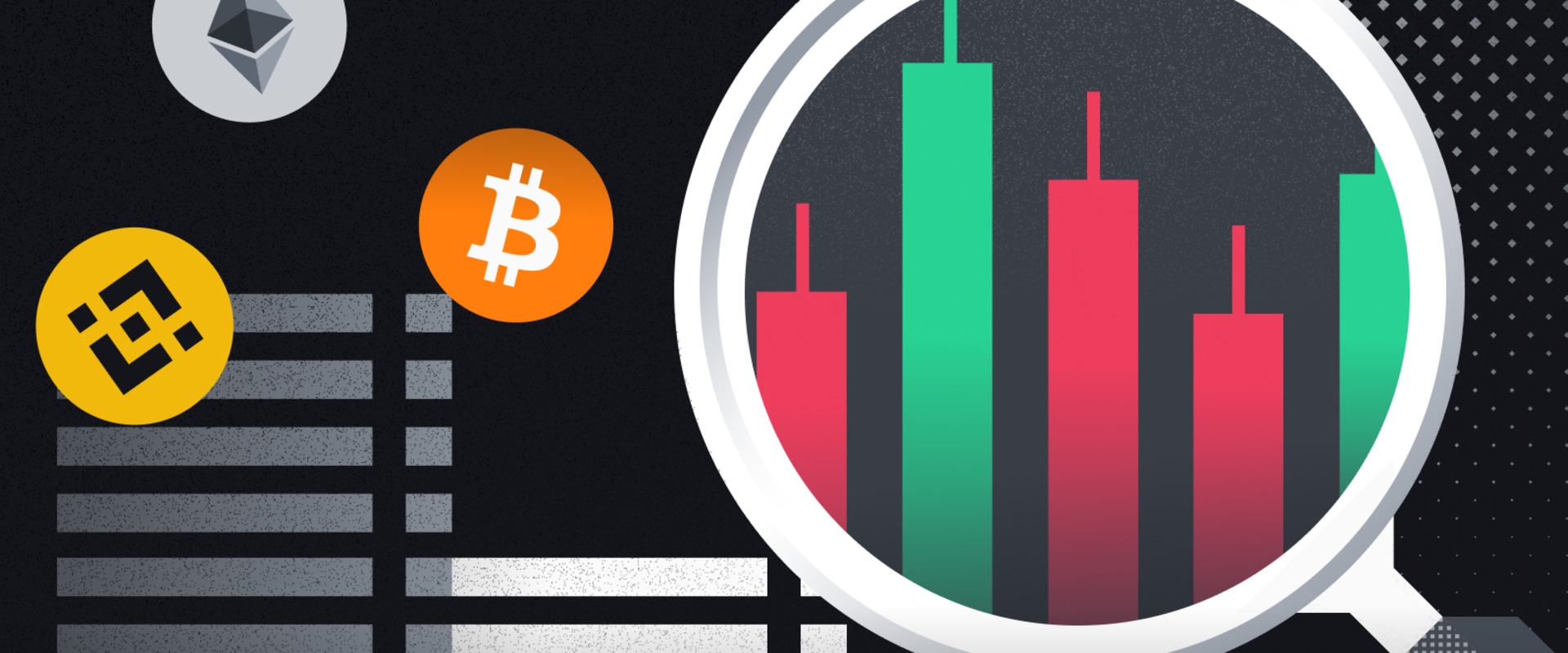
- Price Charts: These visual representations show historical price movements over time.
Common types include line charts, bar charts, and candlestick charts.
- Support and Resistance Levels: Support levels indicate where a cryptocurrency's price tends to stop falling, while resistance levels show where it struggles to rise above.
- Indicators: Tools like moving averages, Relative Strength Index (RSI), and Bollinger Bands help traders identify trends and potential entry or exit points.
Common Mistakes to Avoid in Cryptocurrency Trading
Entering the world of cryptocurrency trading can be exhilarating, but it also comes with its share of challenges. Many beginners fall into common traps that can lead to significant losses. Understanding these pitfalls is crucial for anyone looking to navigate the complexities of the crypto market effectively.1.Lack of Research
One of the most frequent mistakes new traders make is diving into trades without adequate research.
The cryptocurrency market is highly volatile, and prices can fluctuate dramatically based on news, market sentiment, and technological developments. Before investing in any cryptocurrency, take the time to:
- Understand the technology behind it.
- Review its use case and potential for growth.
- Follow market trends and news that could impact its value.
2.Emotional Trading
Emotions can cloud judgment, leading to impulsive decisions. Many beginners buy high out of fear of missing out (FOMO) or sell low due to panic during market downturns. To avoid emotional trading:
- Set clear trading goals and stick to them.
- Implement a trading plan that includes entry and exit strategies.
- Use stop-loss orders to minimize potential losses.
3.Overtrading
New traders often feel compelled to make frequent trades, believing that more activity will lead to higher profits.
However, overtrading can result in increased transaction fees and poor decision-making. To combat this:
- Limit the number of trades you make in a given period.
- Focus on quality over quantity by selecting trades based on thorough analysis.
4.Ignoring Security Measures
The rise of cryptocurrencies has also led to an increase in scams and hacks. Beginners often overlook essential security practices, putting their investments at risk. To protect your assets:
- Use reputable exchanges with strong security protocols.
- Enable two-factor authentication (2FA) on your accounts.
- Store your cryptocurrencies in secure wallets rather than leaving them on exchanges.
5.Failing to Diversify
Putting all your funds into a single cryptocurrency can be risky.
If that asset underperforms, you could face significant losses. Diversification helps mitigate risk by spreading investments across various assets. Consider:
- Investing in a mix of established cryptocurrencies and promising altcoins.
- Regularly reviewing and adjusting your portfolio based on market conditions.
The Importance of Research and Staying Informed
In the fast-paced world of cryptocurrency trading, conducting thorough research is not just beneficial; it is essential.The cryptocurrency market is highly volatile and influenced by a myriad of factors, including technological advancements, regulatory changes, and market sentiment. Therefore, staying informed can significantly enhance your trading decisions and help you navigate this complex landscape. When researching cryptocurrencies, consider the following key aspects:
- Project Fundamentals: Understand the purpose of the cryptocurrency. What problem does it aim to solve? Who are the developers behind it? A solid project with a clear vision is more likely to succeed.
- Market Trends: Analyze historical price movements and trading volumes. Tools like CoinMarketCap or TradingView can provide valuable insights into market trends and help you identify potential entry and exit points.
- Community Engagement: A strong community can be a good indicator of a cryptocurrency's potential.
Check forums, social media platforms, and community channels to gauge public sentiment and engagement.
- Regulatory Environment: Stay updated on regulations affecting cryptocurrencies in your region. Changes in laws can have immediate impacts on market prices.
- CoinDesk: Offers news, analysis, and insights into the cryptocurrency market.
- The Block: Provides in-depth research and news articles focused on blockchain technology and cryptocurrencies.
- CryptoSlate: Features news, real-time prices, and a comprehensive directory of cryptocurrencies.
- Twitter: Follow industry leaders, analysts, and influencers for real-time updates and opinions.
Remember, knowledge is power in the world of cryptocurrency!
Conclusion: Your Journey into Cryptocurrency Trading Begins Here
As you embark on your journey into the world of cryptocurrency trading, it is essential to reflect on the key insights and strategies discussed throughout this guide. The landscape of cryptocurrency is dynamic and can be overwhelming, especially for beginners. However, with the right approach, you can navigate this exciting market with confidence. First and foremost, education is your most valuable asset. Understanding the fundamentals of how cryptocurrency exchanges operate, the various types of cryptocurrencies available, and the mechanics of trading will empower you to make informed decisions.Take the time to explore resources, engage with online communities, and stay updated on market trends. Knowledge is not just power; it is your shield against the volatility that characterizes this market. Next, careful planning cannot be overstated. Before diving into trading, establish a clear trading strategy. This includes setting realistic goals, determining your risk tolerance, and deciding on the types of trades you wish to pursue—whether day trading, swing trading, or long-term investing.
A well-defined plan will help you remain disciplined and avoid impulsive decisions driven by market emotions. Moreover, selecting a reliable cryptocurrency exchange is crucial. Look for platforms that prioritize security, user experience, and offer a variety of trading options. Ensure that the exchange you choose aligns with your trading style and provides the necessary tools to execute your strategy effectively. Lastly, remember that cryptocurrency trading is not just about making profits; it’s also about managing risks. Utilize stop-loss orders to protect your investments and diversify your portfolio to mitigate potential losses.
By balancing risk and reward, you can enhance your chances of success in this volatile environment. In conclusion, while the path to becoming a proficient cryptocurrency trader may be fraught with challenges, it is also filled with opportunities for growth and profit. Embrace the learning process, stay disciplined in your approach, and always be prepared to adapt to changing market conditions. Your journey into cryptocurrency trading begins here—take the first step with confidence!.